In early 2008, I coined the term keming, defining it as “the result of improper kerning.”

It’s a nerdy graphic design joke, and it became one of my more popular posts. Readers suggested that I create some keming merchandise. So I did. The t-shirts are the most popular items, but my favorites are the mug and spiral notebook (both of which make excellent stocking stuffers).
I began to dream that the word would be widely adopted and become an actual part of graphic design language. How awesome would it be to coin a word that people actually use?
Well, it turns out that the word has caught on in some circles, and has become common enough that it’s somewhat disassociated with me. I occasionally meet people surprised to discover that I coined it. Well, if you weren’t reading this blog four years ago, I guess you wouldn’t know. So I thought I’d reconnect with the word in a follow-up post examining some of the places I’ve seen it used.
A Design Reference Book
 In 2009, Armin Vit and Bryony Gomez-Palacio of the design firm UnderConsideration published a comprehensive reference book on all things design.
It’s called Graphic Design, Referenced: A Visual Guide to the Language, Applications, and History of Graphic Design and it has nothing but 5-star reviews on Amazon. It looks like a pretty nice book. You can see details and sample spreads on their site where they call it “a comprehensive source of information and inspiration by documenting and chronicling the scope of contemporary graphic design, stemming from the middle of the twentieth century to today.”
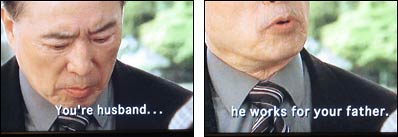
They reference keming on page 74:

Here’s a detail of the page:

Urban Dictionary
Urban Dictionary, the online resource for made up words, has an entry for keming where three people have submitted examples of the word used in a sentence. They are:
What the helvetica, your kerning has turned into one massive keming fest. What the font were you thinking?
The typographer who worked on that film just pulled a keming by not having equal spacing between each letter in each word in the opening credits.
I ’ mtryingtosetspacing, butIcan ’ tseemtogetthekemingright.
I’m not sure I would say that someone “pulled a keming” but maybe that’s a regional use.
A Whole Blog About Keming
Earlier this year, a designer in the Netherlands named Kilian Valkhof started a tumblr called Fuck Yeah Keming, “a celebration of horrendous kerning all over the internet.” He has some good examples. Check it out.
Reddit
My old posts don’t usually get that much traffic, but the original keming post still gets hits on a regular basis from one site in particular: reddit.
Redditors have taken a liking to keming, and it comes up often in the comments. Usually the submitted article features some sort of keming, which prompts someone in the comments to say “Nice keming there.” Then someone replies, “WTF is keming?” And then someone else replies with a link to my site.
Update: There’s now a keming subreddit.
So, thanks for keeping keming alive, redditors!
Wikipedia
It appears that on three occasions, different people (not me) created Wikipedia pages for keming. All three were later deleted. According to the Wikipedia deletion log the reasons were as follows.
The first time: “Not enough context to identify subject”
The second time: “Patent nonsense, meaningless, or incomprehensible: db|WP is not a dictionary”
The third time: The page was set up to redirect to the entry for kerning, but was deleted after discussion decided that “‘Keming’ is a joke word invented by David Friedman… When the redirect was created the target article referred to the joke, but it’s since been removed due to lack of coverage in any reliable source so the redirect doesn’t serve much purpose any more.”
Indeed, the wikipedia page for kerning has had references to keming written in (not by me) and deleted over the years. According to the revision history, the reference was changed to clarify that “keming is not what ‘improper kerning is called’; it’s a joke” and then removed completely because “the Ironic Sans blog does not appear to be an authoritative source.”
Who, I ask, is a more authoritative source on a word that I made up than me?
Currently, the Wikipedia entry for keming is a disambiguation page, which says “Keming may be… A satirical misspelling of kerning, referring to bad kerning which causes the letter pair ‘rn’ to appear as ‘m’”
If you have to explain it…
Other People’s Products
I occasionally hear from people telling me that they saw keming on someone else’s merchandise. Sometimes people just take my definition and put it on a shirt. That bothers me. But sometimes people come up with other clever uses for keming in joke form. My favorite is the Leam to kem shirt by Able Parris.
What else?
Do you use keming to mean improper kerning? Do you ever see or hear anyone else use it? Where else is it being used that I’ve overlooked?
A note about coining this word.
When I wrote the keming post, I first did a Google search to see whether or not the joke had been done before. All I found were a couple references to people with the name Keming, and other proper nouns (a school called Keming, for example). But it was hard to search because the vast majority of results were actual cases of keming the word kerning! A search result would contain the word “keming” but clicking through to the page would show an article about typography scanned in from a book or magazine and put through OCR. Every instance of the word “kerning” turned up as “keming” in Google. Here’s a typical example.
UPDATE: Here’s another great usage. A reader just wrote to tell me that he named his whole company after keming. It’s a technical design studio called Keming Labs. He says, “I really like the term and I ended up using it in my company name (I hope you don’t mind). We do data visualization stuff on the web, and ‘Keming Labs’ sounds serious enough when we meet with clients. It’s easy to tell clients who get the joke though, because they usually chuckle immediately.”
UPDATE 2: This is perhaps the most awesome keming update ever. I’ve known for a while that Google has a hidden joke in their search engine where, if you search for the word kerning you’ll see the word appear in the search results with too much space between each letter. But it was recently brought to my attention that a Google search for keming has the opposite joke. Everywhere the word appears in the search result listing, the letters are spaced too close together!
@ironicsans Did you see Google’s special formatting for “kerning” and “keming” searches? You changed Google.
— Andy Baio (@waxpancake)
June 7, 2012










 Back in 2008 I launched

 As I was wading through this week’s issue, I realized that whoever writes the headlines (the copy editor, I think) has an interesting sense of humor and a penchant for puns and cultural references. Some of the headlines are better than others. I went through the stack of unread issues that’s been piling up in the living room and picked out some of the best and the worst headline puns and references from recent weeks. Whether you think they are the best or the worst probably depends on whether you like puns. Here are some examples:
 There’s an article on-line from Money Magazine called “
 by the same name, but without the asterisks)
 Dictionary definition of apparent: “manifest as true on the basis of evidence that may or may not be factually valid.”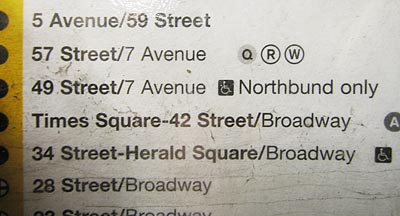
 Shoulder the burden.
 I’m really into